Ambient AI nursing documentation is moving from concept to clinical use. For the last several years these tools were built around physician notes. Now they are moving into inpatient nursing workflows. The goal is the same as it has always been. More time with patients and less time documenting.
But nursing documentation is not the same as physician documentation. A lot of what nurses do is hands on and constant, and much of it is never said out loud. That brings up a practical question. Can AI document nursing care accurately and still lighten the nurse's workload?
All shift long, nurses log assessments, observations and interventions in the electronic health record. Most of it lives in structured flowsheets, not narrative notes. Ambient clinical documentation works differently. The technology listens to the conversation at the bedside and turns the relevant information into draft entries. The nurse then checks those entries before they become part of the record.
Abridge has made its ambient documentation available to nurses across its health system clients, including Mayo Clinic, Johns Hopkins Medicine, Emory Healthcare and Corewell Health. Mayo Clinic and Epic helped develop the nursing version. According to a KLAS report, the tool drafts flowsheet documentation from natural conversation and links each entry back to the transcript, so nurses can see where the information came from. That traceability matters. A nurse should be able to confirm what the AI actually heard instead of trusting whatever shows up on the screen. The tool creates a draft. A professional still has to review it.
Physician documentation follows a familiar pattern. We take a history, examine the patient and form an assessment and plan. A lot of that is spoken.
Nursing care is not like that. Picture a medical surgical nurse walking into a room. She checks the patient's breathing, looks at the skin, assesses mobility, inspects the IV site and notices the patient seems less comfortable than an hour ago. Most of that assessment happens in silence. A physician scribe can capture a discussion about chest pain or a medication change. A nursing tool has to turn physical observations into structured flowsheet rows.
If nurses have to say each finding aloud for the AI to pick it up, the workflow changes. Sometimes that speeds things up. Other times it adds one more task to an already busy shift. The real test is not how fast the AI writes. It is whether the whole documentation process gets easier without giving up accuracy.
In 2026 Mount Sinai Medical Center in Miami Beach began piloting Epic's ambient tool with medical surgical nurses. The pilot started with head to toe assessments and transcribes in both English and Spanish. The biggest change was getting nurses to talk through their work. A nurse caring for a post operative patient might normally check the dressing, feel the distal pulses and watch the patient reposition without saying a word. With ambient AI she describes those findings as she goes.
Some nurses were concerned that narrating would only add to their workload. That is a fair worry. The nursing documentation burden is not just typing. It is interruptions, duplicate entries, long flowsheets and charting in the middle of competing priorities. A tool that cuts typing but adds long narration may not give nurses what they need. At Mount Sinai every AI draft must be reviewed and corrected by the nurse before it enters the record. That rule is critical. The software assists. It does not replace nursing assessment or accountability.
AI documentation brings its own kind of error. Ambient AI can mishear speech, lose the context or simply miss something nobody said.
Say a nurse tells a patient his breathing looks better now than it did earlier. The record has to keep that difference. A draft that just charts normal breathing would wipe out a clinically meaningful event. So reviewing ambient AI nursing documentation takes more than a grammar check. Nurses need to confirm the findings are right, the context survived and each item landed in the correct flowsheet field. Transcript links make verification easier. They cannot tell you whether the assessment itself was complete. And AI should never fill gaps with guesses.
We lean on nursing documentation all day. Changes in mental status, work of breathing, mobility, pain and response to treatment drive our decisions. If AI changes how that information gets into the chart, physicians have a direct stake in getting it right.
Picture a hospitalist reviewing the overnight course before rounds. The flowsheet says respiratory status improved. What it does not show is an earlier episode of increased work of breathing, because the nurse never said it out loud. That gap changes how the physician reads the patient's trajectory. None of this is a reason to avoid the technology. It is a reminder that an AI assisted entry is only as good as the observations it captured and the review behind it. Physicians should also support nursing teams when workflows shift. A process that looks efficient on a dashboard can feel very different at the bedside.
Good implementation takes more than turning the software on. In the KLAS report eight of nine health system leaders said they were highly satisfied. Satisfaction alone, though, does not tell us how much time nurses actually save. Most of those sites used simulation labs before go live, and that is a smart move. Nurses get to practice narrating, reviewing drafts and catching errors without the pressure of a full assignment. A few principles help:
Involve bedside nurses in designing the workflow from the start.
Train for the situations where the tool works poorly.
Measure total time, including narration, review and corrections.
Track documentation quality and staff experience, not just speed.
The measuring has already started. The University of Wisconsin Madison launched a randomized trial in 2026 that looks at how much time nurses spend in flowsheets once ambient AI is introduced.
Ambient AI nursing documentation is a real step for AI in nursing beyond physician notes. But nursing care cannot be boiled down to a conversation. Subtle changes in a patient still depend on an attentive professional in the room. AI can help record that work. It cannot know everything that happened at the bedside. For physicians the priority is information we can trust. For nurses it is documentation that reflects real care without extra tasks. The technology will earn its place when it makes both of those easier.
Have you used ambient AI for nursing or physician documentation on your unit? Has it cut charting time or created new headaches? Share your experience with colleagues in the MedSocially community. What we learn at the bedside should shape how these tools grow.
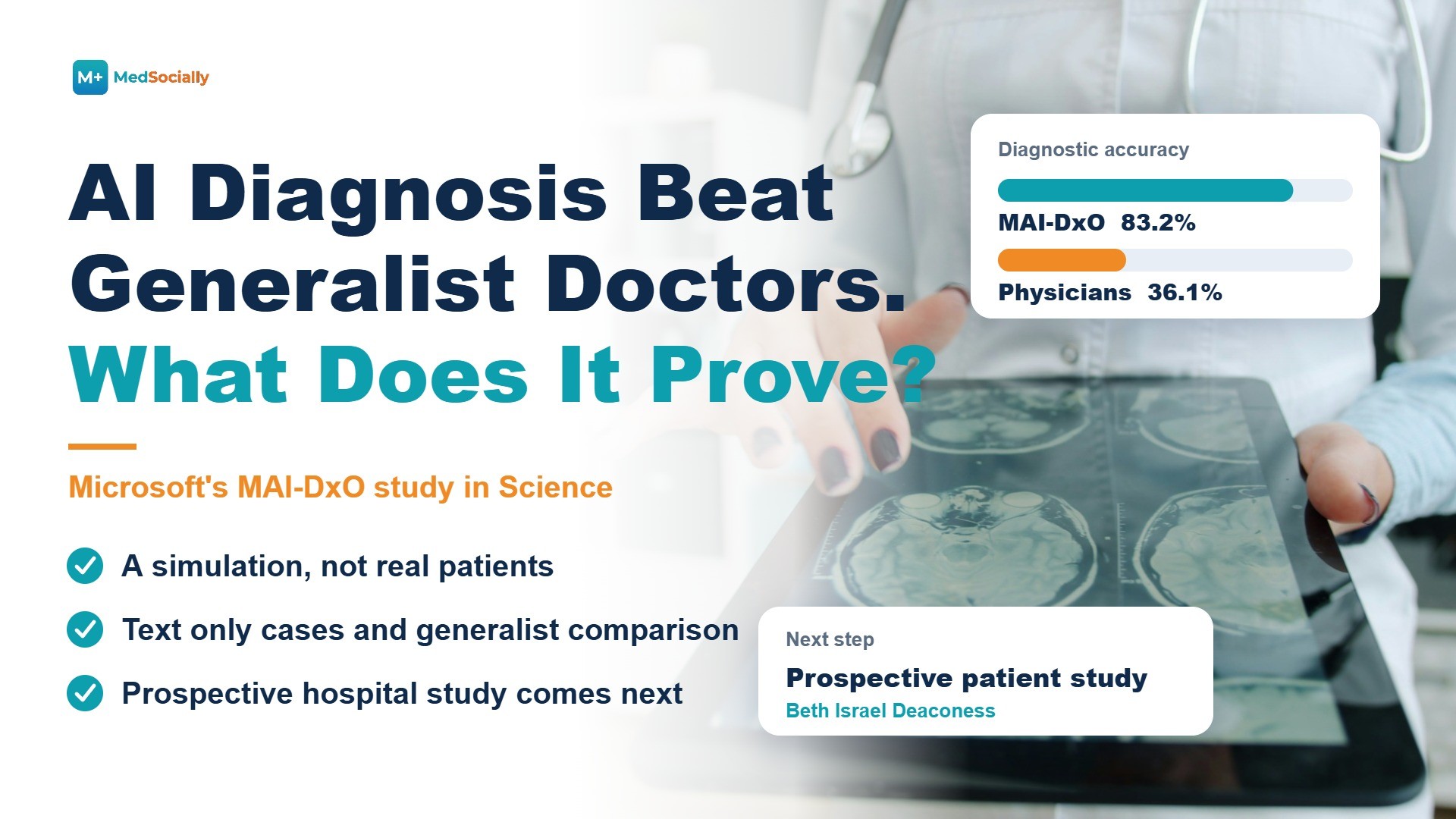
Every doctor should take note of the results of Microsoft's diagnostic AI. In a study published in Science, the system outperformed generalist physicians on difficult diagnostic ca...
Physician burnout seems to be on the decline. It is good news for a profession that has felt exhausted and stressed for years. But another trend deserves attention. Clinics are ope...
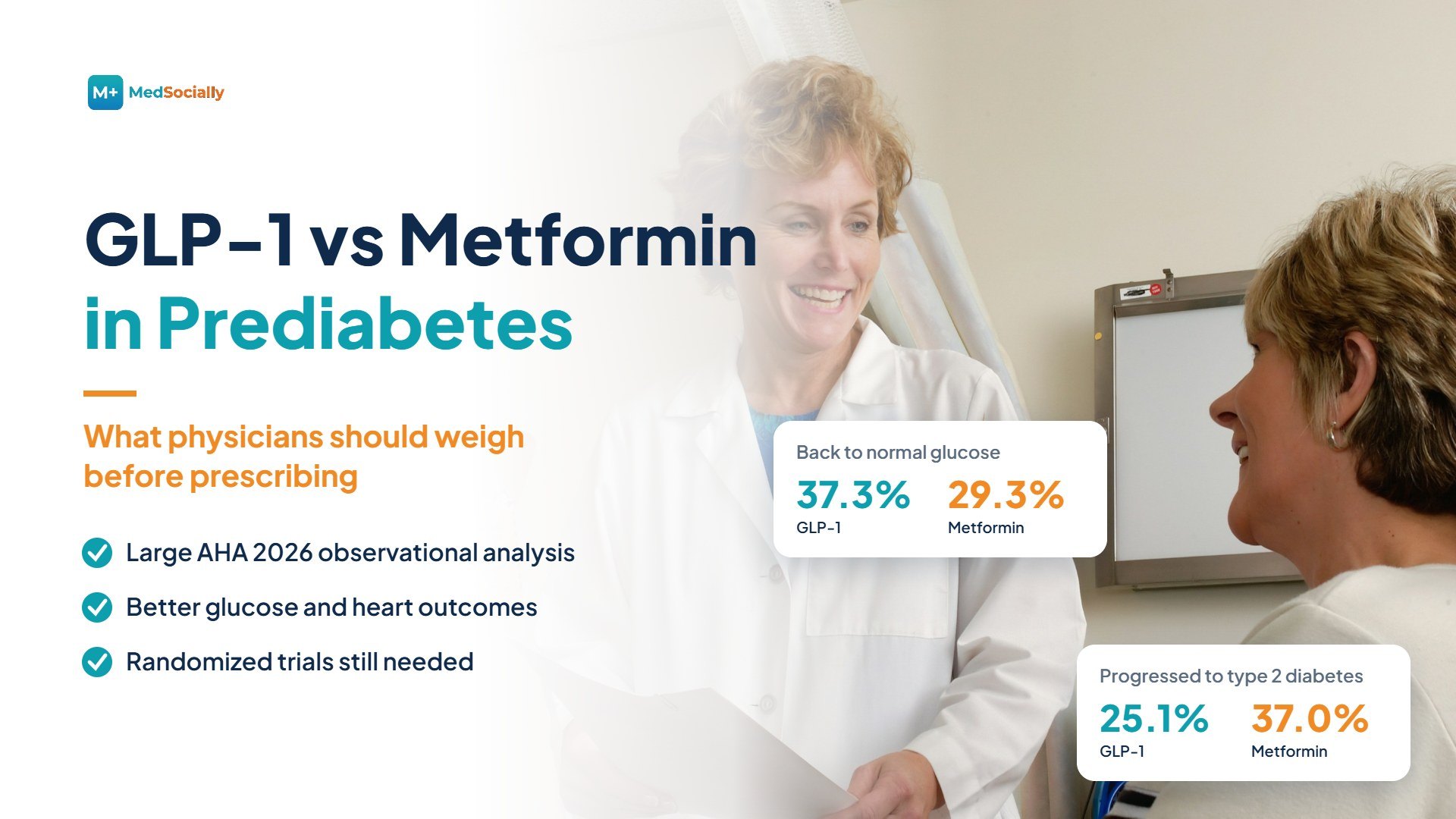
You have a patient with prediabetes in your exam room, and she asks a question you have heard more than once this year. "If these weight loss shots work so well, why am I still on ...
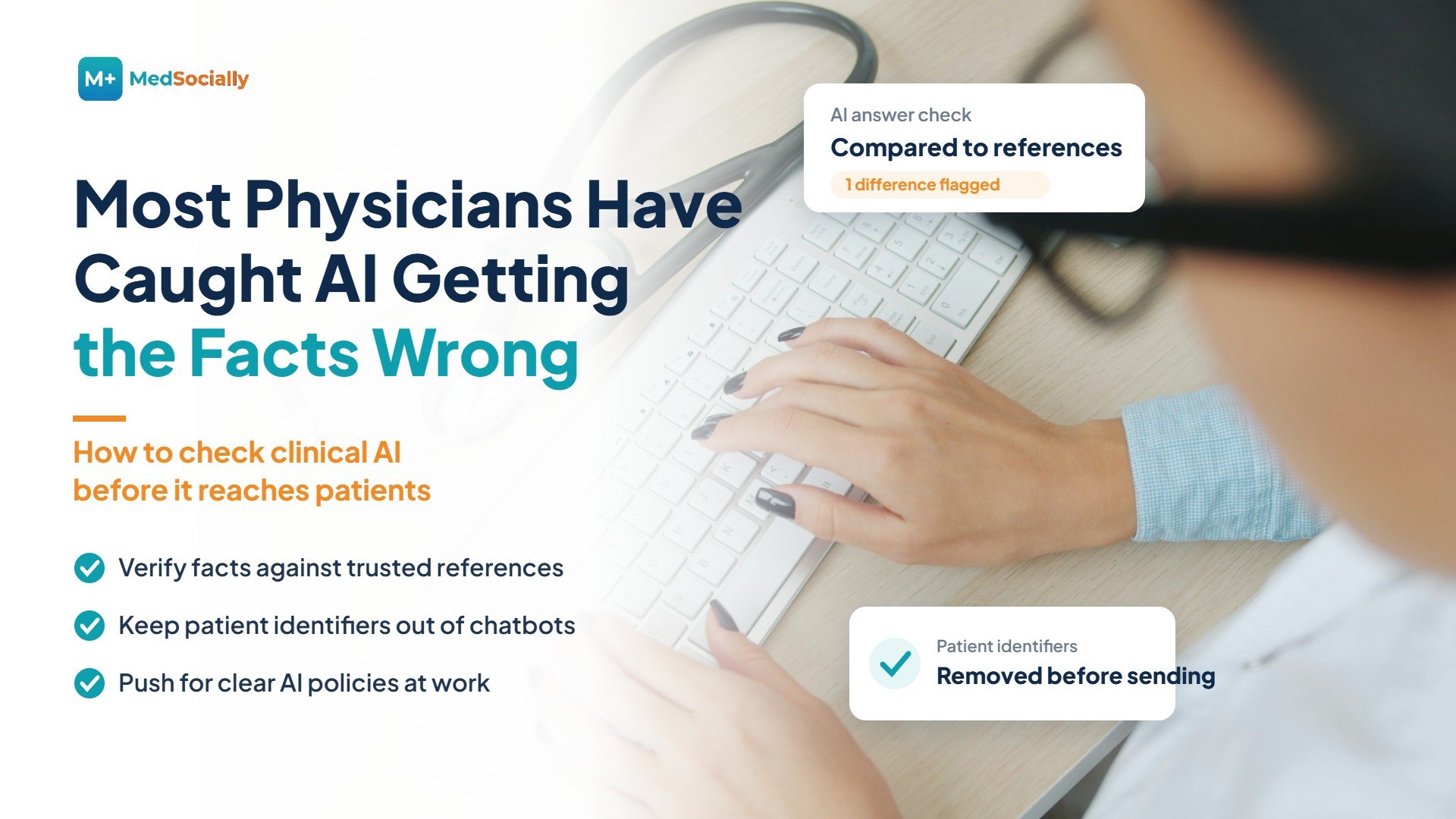
AI can write a convincing clinical explanation in seconds. Convincing does not always mean correct. As more of us bring clinical AI tools into daily practice, the question is no lo...
A patient needs treatment. You order it. The insurer demands more paperwork. Time goes by and the patient gives up. That is the quiet price of prior authorization delays, and new s...