Getting an appointment with a doctor should not feel like winning a lottery. Yet for many Americans that is becoming the reality. New patients in major US cities now wait about a month on average to see a physician. Even established patients are finding it harder to get a timely visit.
For physicians this is more than a scheduling headache. It is a growing patient access to care problem that affects clinical outcomes, continuity and the trust between patients and their doctors. With coverage becoming less affordable and practices facing steady financial pressure, it could get worse before it gets better.
The problem starts with a simple imbalance. More patients need care than the system can comfortably absorb.
The primary care shortage is a major contributor. Many communities struggle to recruit and keep physicians, especially in rural and underserved areas. Meanwhile the practices that remain are caring for older and more complex patients with several chronic conditions at once.
Physician supply is only part of the story. A typical office visit now involves far more than examining a patient and making a decision. We manage records, prior authorizations, quality measures, documentation and an inbox full of patient messages. All of that takes time that could go to patients.
Front office staffing shortages make it worse. When nobody answers the phone promptly, referrals sit unprocessed and follow-up visits never get booked, real clinical capacity goes unused. The result is longer appointment wait times, frustrated patients and exhausted clinicians. Simply cramming more visits into an overloaded schedule is not a sustainable answer.
Access is not only about finding an open slot. Patients also have to afford the visit.
The enhanced marketplace subsidies expired at the end of 2025 and premiums jumped for many families. Some people dropped coverage entirely. Others moved to plans with high deductibles. For them even an available appointment may be out of reach financially.
Another change is coming. New Medicaid work requirements are scheduled to begin in January 2027 for many expansion adults. They may create paperwork barriers for eligible patients who struggle with documentation, reporting or renewals.
Medicare physician payment remains under pressure too. The 2027 fee schedule trims the conversion factor again, even as rent, wages and supplies cost more every year. When independent practices stop accepting certain plans, cut services or close, patients have fewer places to turn. That is a direct threat to patient access to care in the communities that can least afford it.
Consider a patient with diabetes who notices her sugars climbing but cannot get a primary care visit for several weeks. At first she needs a medication adjustment and a conversation about diet. The delay stretches on. She eventually feels unwell enough to go to urgent care and then the emergency department. A problem that needed fifteen minutes in clinic has turned into an expensive and frightening day.
Now picture an older man just discharged after a heart failure admission. His instructions say to follow up within a week. The earliest opening is a month away. Medication changes, weight gain and new swelling go unreviewed until he is back in the hospital.
Not every delay ends in an emergency. But missed chances for early intervention turn manageable conditions into complicated ones. For patients that means worse symptoms, missed diagnoses, anxiety and avoidable cost. For us it means managing disease later than we should, often after the simpler fix has passed.
No practice can solve the physician shortage overnight. Every practice can look hard at how it uses the capacity it already has. Start by finding where delays actually happen. Are new patients waiting longer than established ones? Are same day slots always gone by 8 a.m.? Do cancellations go unfilled?
A few practical changes help most practices:
Protect a set number of urgent slots each day for patients who need timely evaluation.
Keep an active cancellation waitlist so open visits go to patients who want to come in sooner.
Track referrals that remain unscheduled so nobody falls through the cracks.
Measure access every month, including the third next available appointment, which gives a truer picture than the next random opening.
These changes take coordination rather than more physician hours. The goal is not to squeeze more patients into every minute. It is to make sure the right patient gets the right level of care at the right time.
Physicians should not have to fix every access problem personally. A well organized care team can share the load while keeping physician oversight and clinical judgment intact.
Nurse practitioners and physician assistants can expand access for appropriate visits. Registered nurses can handle symptom triage, education and chronic disease check ins under clear protocols. Pharmacists can take on medication management.
Technology helps when it removes work rather than adding it. Online scheduling, automated reminders and portals can reduce no shows and phone traffic. Telehealth works well for selected follow-ups, especially when distance or transportation is the barrier. But an older patient who cannot use a portal still needs a simple way to reach the office. Automated triage should never replace a clinician when symptoms suggest something serious. Physicians need a seat at the table when these workflows are designed because we know where convenience ends and clinical risk begins.
Individual practices can make real progress. Still, scheduling fixes alone have limits. A system cannot keep raising demand, cutting payment stability and piling on administrative work without hurting its ability to deliver care.
Lasting improvement means investing in primary care, keeping experienced physicians in practice, simplifying administration and making reimbursement predictable. It also means policymakers recognizing that coverage and access are not the same thing. A patient can hold an insurance card and still be unable to find a doctor.
For now our job is to improve what we control locally and speak up about the rest. Review your appointment system. Support your team. Protect time for complex patients. Talk openly about the barriers you see. Patient access to care should be measured not by how many visits a practice books but by whether patients get appropriate care when they actually need it.
Physicians understand this problem because we see its consequences every week. The real question is how we turn that experience into practical solutions.
Are appointment delays getting worse where you practice? Have you found a scheduling change, staffing model or care coordination approach that improves access without adding to burnout? Join the conversation in the MedSocially community and share your experience with fellow physicians and healthcare professionals.
Every doctor should take note of the results of Microsoft's diagnostic AI. In a study published in Science, the system outperformed generalist physicians on difficult diagnostic ca...
Physician burnout seems to be on the decline. It is good news for a profession that has felt exhausted and stressed for years. But another trend deserves attention. Clinics are ope...
Ambient AI nursing documentation is moving from concept to clinical use. For the last several years these tools were built around physician notes. Now they are moving into inpatien...
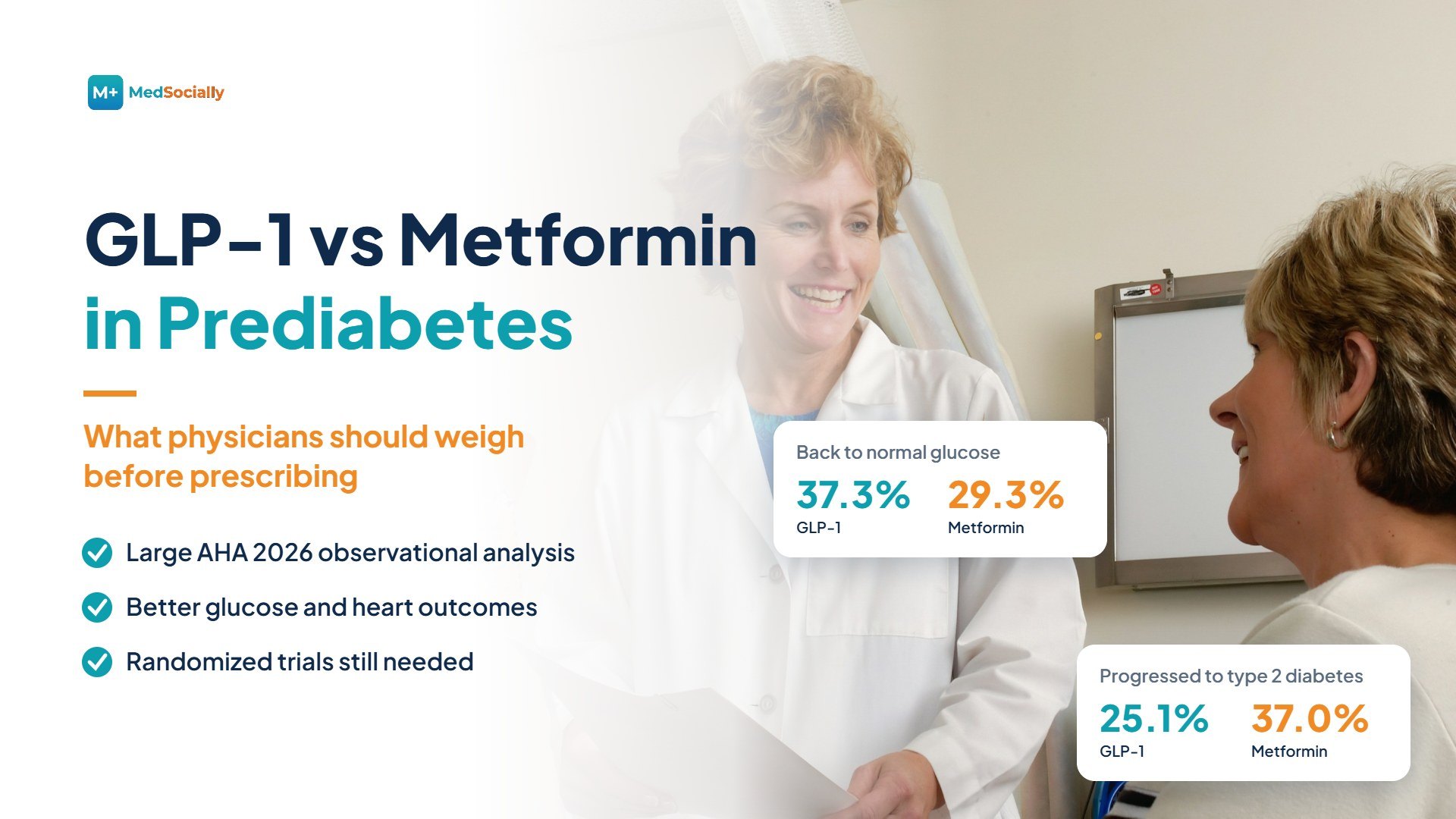
You have a patient with prediabetes in your exam room, and she asks a question you have heard more than once this year. "If these weight loss shots work so well, why am I still on ...
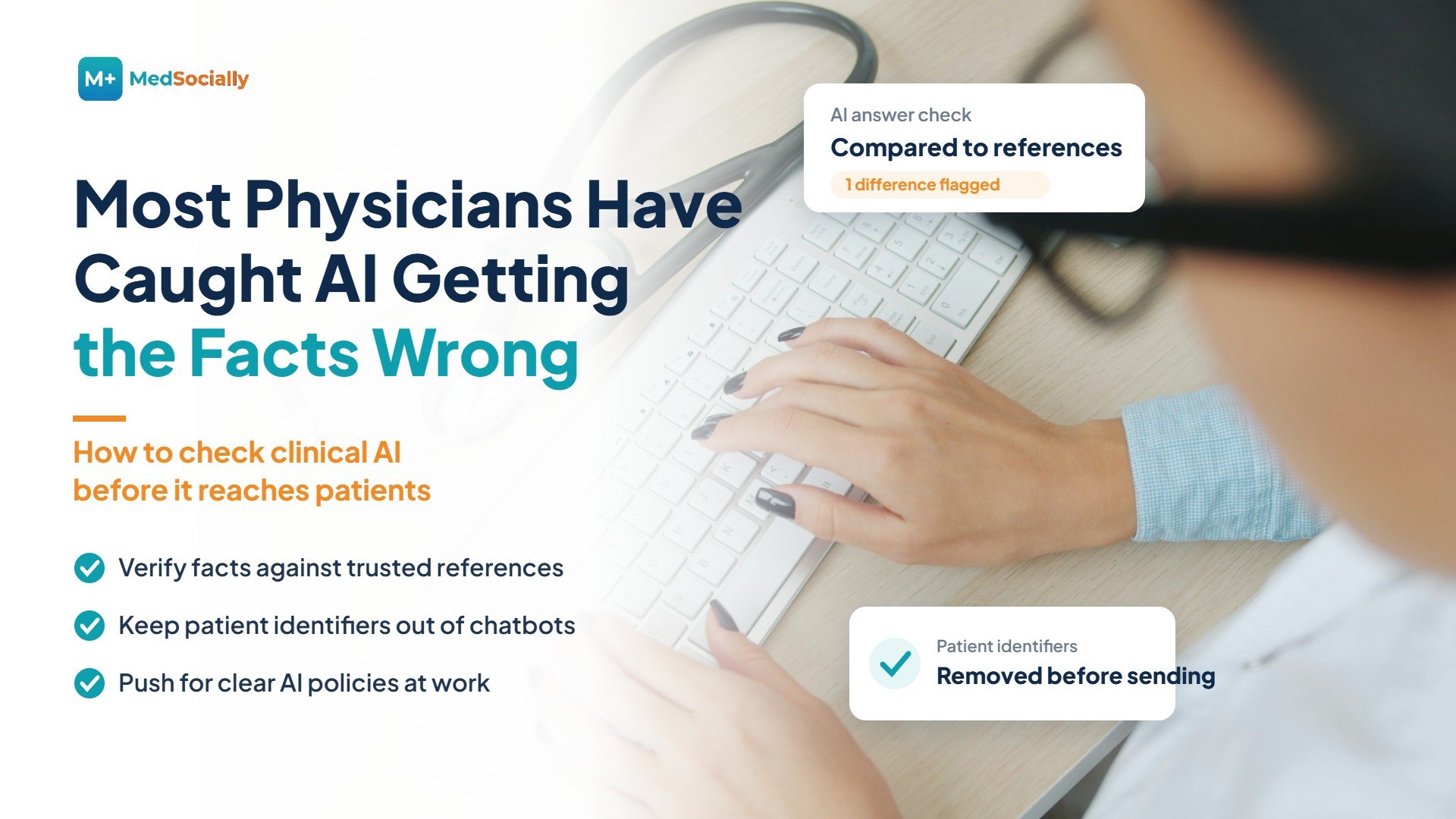
AI can write a convincing clinical explanation in seconds. Convincing does not always mean correct. As more of us bring clinical AI tools into daily practice, the question is no lo...